Heavy Earthwork
in Middle Tennessee
Mass earth moving for industrial sites. Bulk cut-and-fill, large-scale excavation, and grade-to-spec placement for warehouses, distribution centers, and manufacturing facilities.
Request a Project QuoteIndustrial-Scale Earth Moving
Heavy earthwork is the backbone of every industrial build in Middle Tennessee. Before a warehouse goes up, a distribution hub opens its doors, or a manufacturing plant pours its first slab, someone has to move the dirt. S and S Excavation and Hauling specializes in the high-volume cut-and-fill operations that turn raw industrial ground into construction-ready subgrade. Our scope starts at 10,000 cubic yards and scales to projects exceeding 100,000 cubic yards of earth movement.
When you bring us onto a heavy earthwork contract, you get a crew that has been running excavators, articulated haul trucks, and bulldozers across Coffee, Bedford, Rutherford, and Franklin County industrial sites for more than ten years. Veteran-owned and owner-operated, we take direction from civil engineers and site surveyors and execute to the elevation, compaction, and material placement specifications on the plan set. This is core industrial excavation work and we treat every cubic yard as part of a larger construction schedule.
Heavy earthwork is where project timelines get made or broken. A bid-day underquote on fill quantities, a rain delay that wipes a week of production, or an under-capacity hauling fleet can cascade into concrete, steel, and commissioning delays measured in months. We quote realistically, mobilize with the equipment fleet the project actually requires, and coordinate directly with the general contractor and geotechnical team so the earthwork phase closes on schedule and hands over clean subgrade for the next trade.
Heavy Earthwork Capabilities
Mass Cut Operations
High-volume cut operations on sloped or elevated sites. We strip topsoil, excavate down to plan elevation, and stockpile or haul spoil material based on the balance sheet. Excavator and articulated truck fleets sized to move 3,000 to 8,000 cubic yards per shift depending on material and haul distance.
Bulk Fill Placement
Structural fill imported, placed, and compacted in engineered lifts. We build up low-lying areas, raise pad elevations, and construct engineered slopes to drawing. Lift thickness, moisture content, and pass count are all documented for the geotechnical engineer of record.
Cut-to-Fill Balance
On balanced sites, we move material from cut zones directly to fill zones without import or export. This is the most cost-efficient earthwork approach and we coordinate haul routes, push distances, and equipment sizing to maximize daily production while hitting engineered fill specifications.
Warehouse and Distribution Pads
Large-footprint warehouse and distribution center pads frequently require 20,000 to 80,000 cubic yards of earthwork. We handle the full scope from initial strip to finished subgrade elevation, including building pad, dock apron, trailer yard, and truck court areas.
Manufacturing Facility Earthwork
Manufacturing plants demand tight elevation tolerances for equipment foundations, process trenching, and floor flatness. We grade to engineer specifications and coordinate with mass grading operations so building pads meet the tolerance required for slab-on-grade construction.
Spoil Haul and Material Import
When sites are unbalanced, we manage the haul-off of surplus material or the import of structural fill. In-house hauling fleet plus subcontracted capacity scales to meet any project volume. All import material is documented with source, gradation, and moisture reports for the record.
Project Workflow
Plan Review and Takeoff
We review grading plans, cross sections, and geotechnical reports. Cut and fill quantities are calculated independently and reconciled against the engineer’s takeoff. We identify constraints, haul routes, and staging areas before mobilization.
Mobilization and Stripping
Equipment is mobilized in sequence based on scope. Topsoil stripping happens first, with material stockpiled for later respread or hauled off per plan. Erosion control measures are installed before mass excavation begins.
Mass Excavation and Placement
Cut and fill operations run simultaneously where the site balance allows. GPS-guided equipment cuts to elevation and hauls to fill zones. Lifts are placed and compacted in coordination with the geotechnical testing schedule.
Grade-to-Spec Handover
Final subgrade is shot and verified against plan elevations. We deliver a site ready for stone base, forms, or the next trade. Quantities, haul tickets, and compaction records are turned over to the general contractor for closeout.
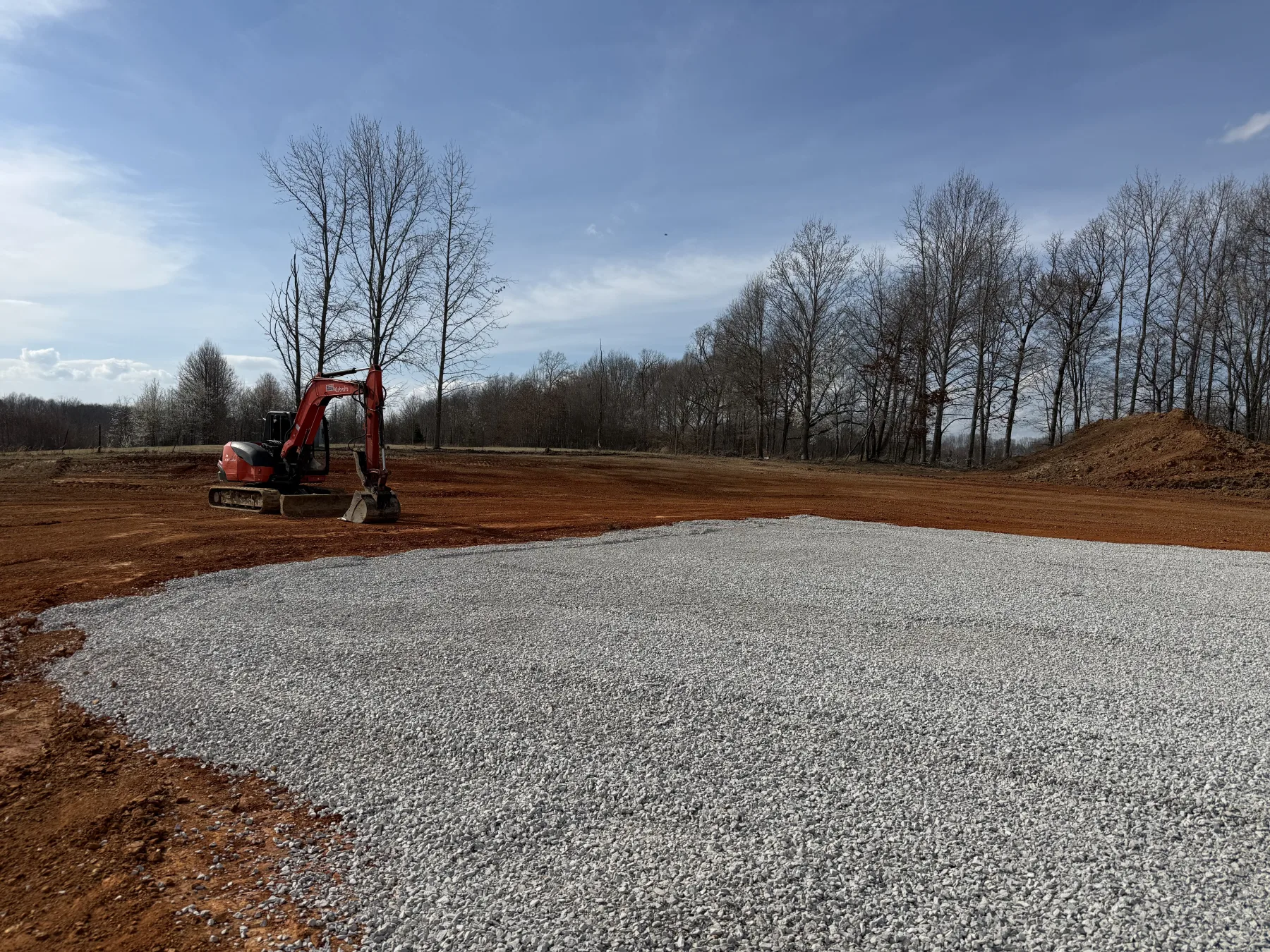
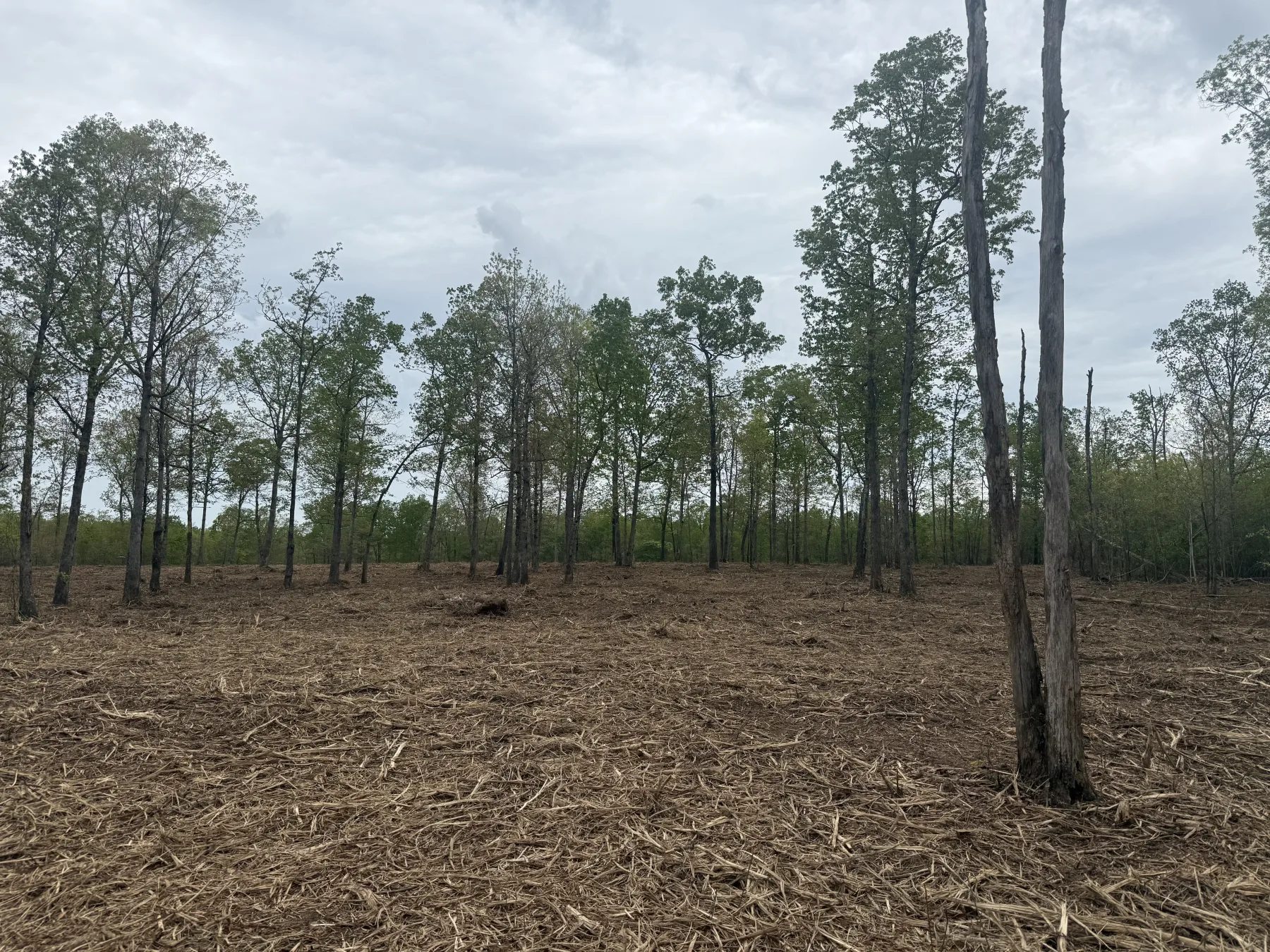
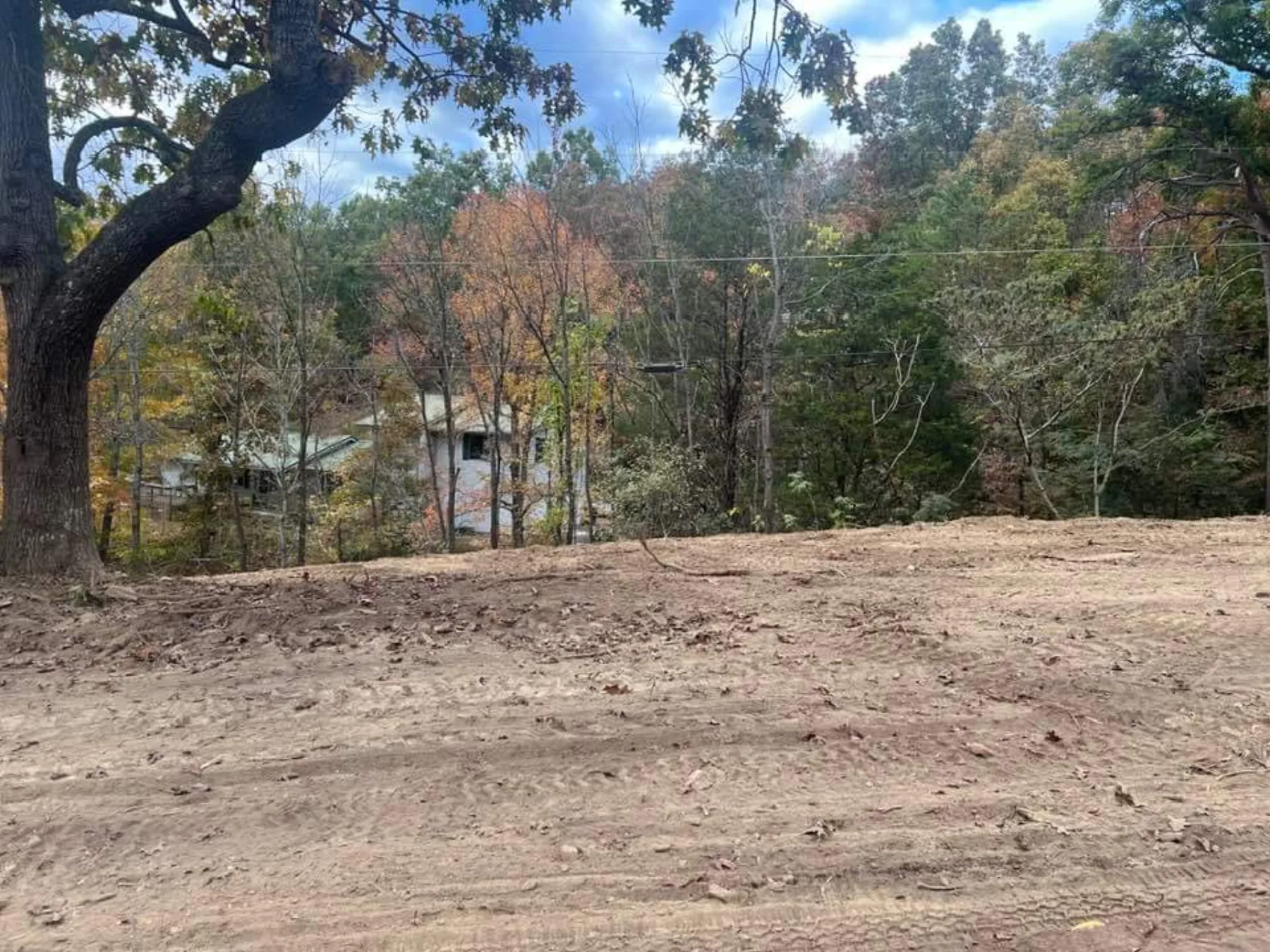
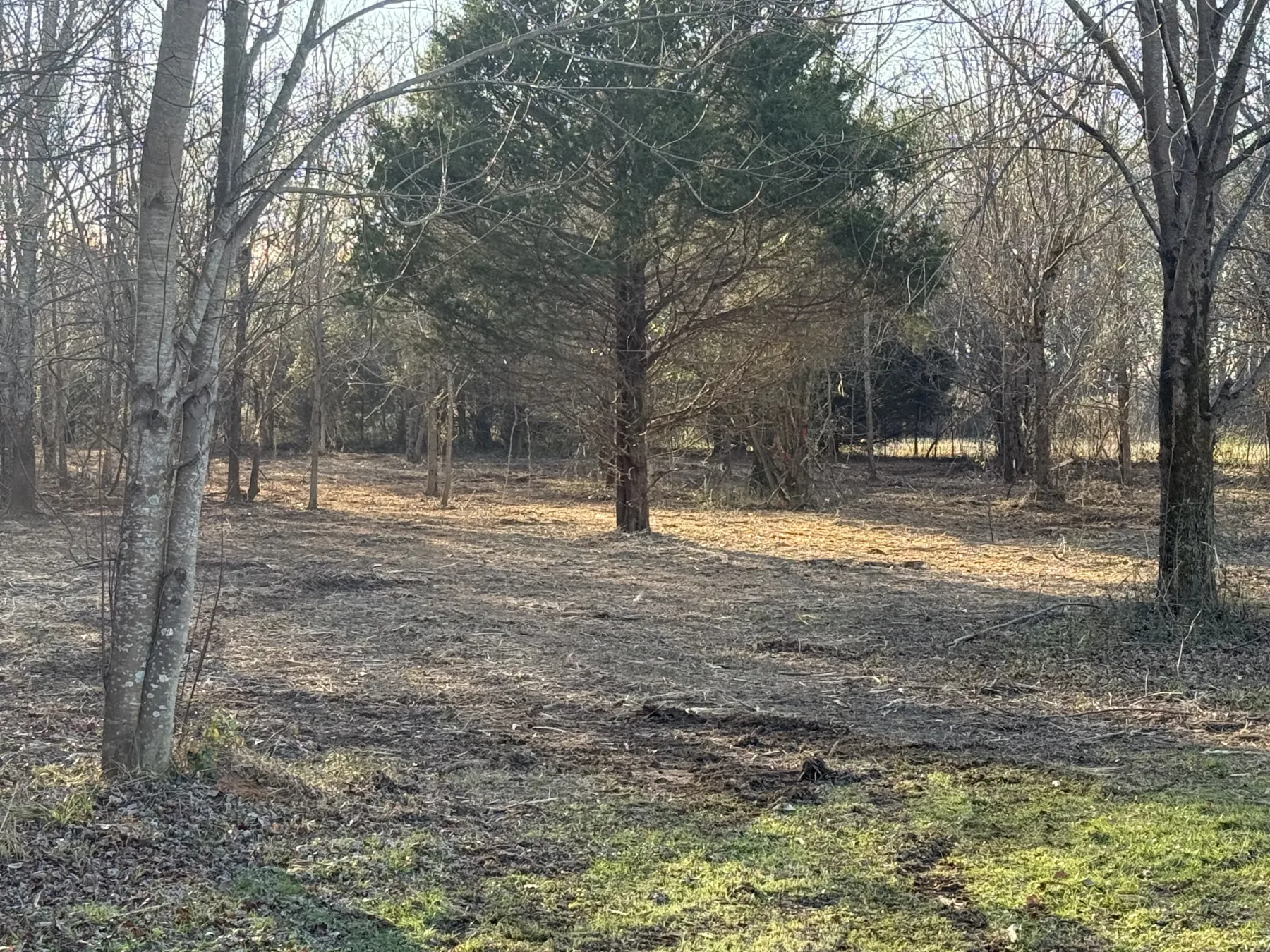
Earthwork Project Photos

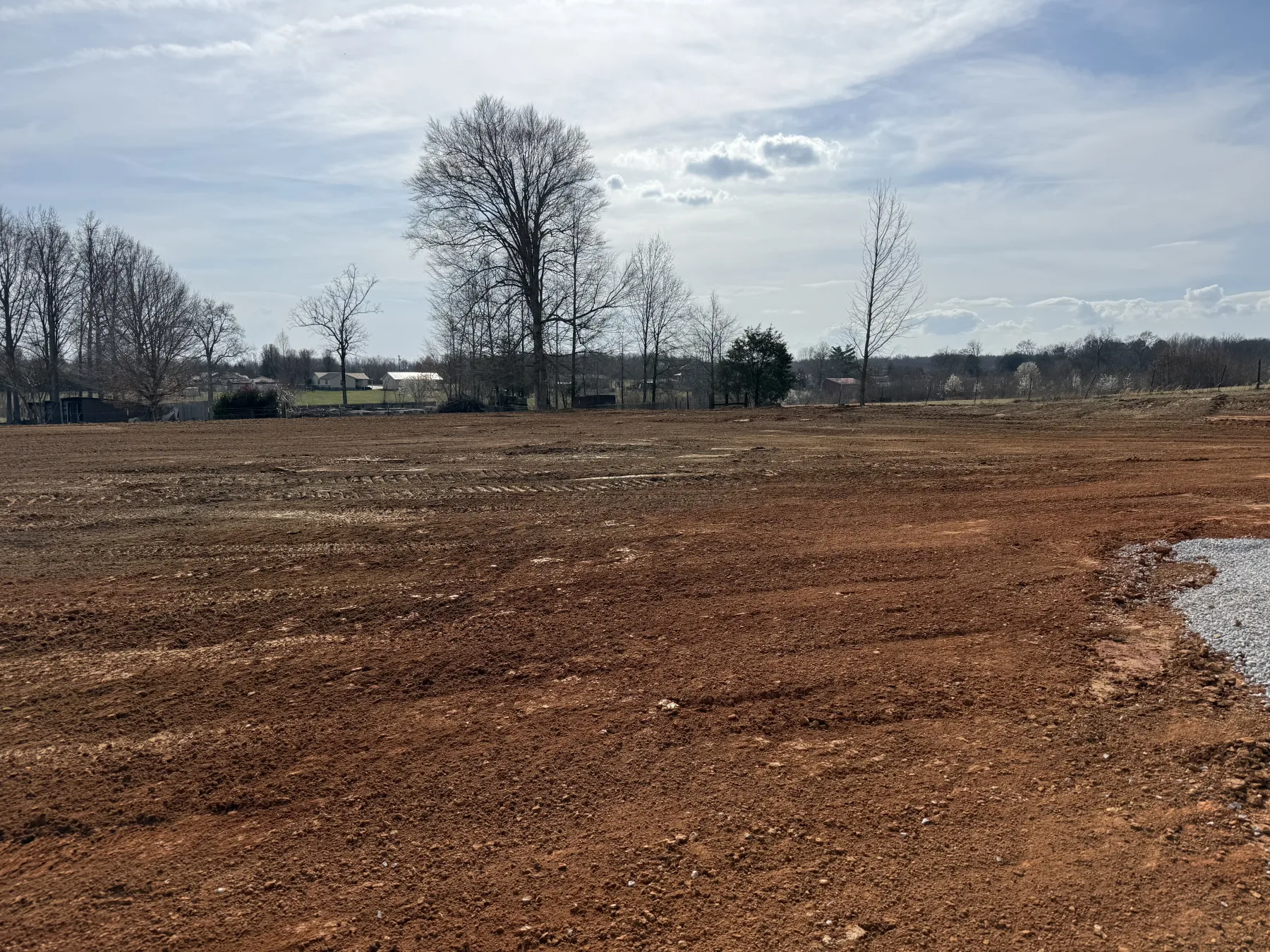
Built for High-Volume Work
Equipment Fleet Sized to Scale
Our iron is matched to industrial scope, full-size excavators, articulated haul trucks, dozers with GPS, and compaction rollers. No underpowered equipment, no rental scrambles, no production bottlenecks.
Engineer and Surveyor Coordination
We work directly with civil engineers, geotechnical consultants, and surveyors throughout the earthwork phase. When field conditions differ from plan assumptions, we flag it immediately and document the change.
Grade-to-Spec Precision
Final subgrade hits engineered elevation tolerances the first time. GPS-guided dozers, laser-referenced compaction, and survey verification before handover mean zero rework when the next trade arrives on site.
Schedule Discipline
General contractors running industrial builds do not have time for earthwork delays. We quote realistic durations, staff the project with the crew count needed to hit them, and keep production logs that show daily output against plan.
Veteran-Owned Accountability
S and S is owner-operated. The person who walks the job pre-bid is the person running the project. No layers of project managers, no passed-off accountability. When you call, you get the decision-maker directly.
Middle Tennessee Terrain Experience
Ten-plus years of Middle Tennessee earthwork means we know the soils, the rock layers, and the weather windows. Limestone shelves and clay pockets that surprise out-of-region contractors are familiar ground for our crews.
Heavy Earthwork FAQs
What size earthwork projects do you handle?
Our typical heavy earthwork scope starts around 10,000 cubic yards and scales up from there. We have executed projects exceeding 100,000 cubic yards across Middle Tennessee. For smaller residential or light commercial cut-and-fill, our standard excavation services are a better fit.
Do you coordinate with civil engineers and surveyors?
Yes. We work directly from the grading plans, cross sections, and geotechnical reports provided by the engineer of record. Our crews take survey stakes, elevation control points, and compaction specifications from the project team and execute to those requirements exactly.
Can you handle import and export of material?
Yes. We run an in-house hauling fleet and supplement with subcontracted capacity when project volume requires it. Whether you need 5,000 cubic yards of structural fill imported or 20,000 cubic yards of spoil hauled off, we size the hauling operation to match the schedule.
How do you handle rain delays on industrial earthwork?
Middle Tennessee weather can stall earth moving operations. We build weather contingency into the schedule, prioritize drainage and erosion control early, and shift crew focus to protected work when fields are too wet for production. Open communication with the GC keeps the overall project schedule honest.
What regions do you serve for heavy earthwork?
We operate across Middle Tennessee including Coffee, Bedford, Rutherford, Franklin, Moore, and Warren counties. Major cities we serve include Manchester, Murfreesboro, Tullahoma, and Smyrna. Call (931) 636-7713 to discuss a project outside our standard radius.
Do you provide compaction testing?
Compaction testing is typically contracted directly by the general contractor or owner with an independent geotechnical firm. We coordinate our lift placement and pass count with the testing schedule so the inspector can certify each phase before we move forward. Our production logs become part of the project record.
How does heavy earthwork differ from standard excavation?
Standard excavation is scoped for utility trenches, residential basements, driveways, and similar small to medium work. Heavy earthwork is mass earth moving measured in tens of thousands of cubic yards, requires full-size equipment fleets, and operates under engineered specifications. The equipment, crew size, and project management approach are completely different.
Industrial Earthwork Quotes
General contractors and developers across Middle Tennessee bring heavy earthwork scope to S and S because we execute on schedule and to specification. Send us your plans, we will turn around a competitive, realistic bid.