Commercial Foundation Installation
in Middle Tennessee
New foundations for commercial and light-industrial buildings. Spread footings, mat foundations, helical and drilled piers, grade beams, and slab-on-grade. Engineered, inspected, documented, and turned over to the GC ready for vertical work.
Request a Bid PackageThe Foundation Under Everything Above
Commercial foundation installation is the load path for every floor, every wall, and every roof of the building above. The foundation has to carry the design loads to bearing soil or rock, resist lateral forces, control settlement to within tolerance, and do all of it for the design life of the building. Getting this right requires engineered drawings, geotechnical input, code-compliant execution, documented inspections, and a contractor who treats the foundation as the foundation, not as a starting line. S and S Excavation and Hauling installs commercial foundations for general contractors, developers, and design-build teams across Manchester, Murfreesboro, Shelbyville, and the surrounding region.
The foundation type for any given commercial building is selected by the structural engineer based on the loads, the soil bearing capacity from the geotechnical report, and the building geometry. Light commercial and industrial buildings on competent native soil typically use shallow foundations, spread footings under columns, continuous footings under bearing walls, and slab-on-grade for the floor. Sites with compressible or low-bearing soil require deep foundations: helical piers, drilled piers, or driven piles to transfer loads to deeper bearing strata. Heavy or sensitive structures may use mat foundations to spread the load across a continuous reinforced concrete slab.
Our scope as the foundation installer covers excavation, formwork, reinforcement, embed placement, concrete supply and placement, deep foundation installation where designed, waterproofing and dampproofing, perimeter drainage, backfill, and the slab-on-grade. We work directly from the structural and civil drawings, coordinate inspections at every required hold point, and turn over completed foundations with anchor bolts at the right elevation and embeds in their correct locations. The GC’s vertical work begins on a foundation that does not need rework.
Commercial Foundation Systems
Spread Footings and Continuous Footings
Engineered spread footings under columns, continuous strip footings under bearing walls, and grade beams tying isolated footings together. Sized to bearing capacity per the geotechnical report and reinforced per the structural drawings. The most common foundation type for light commercial and industrial buildings on competent native soil.
Mat and Raft Foundations
Continuous reinforced concrete mat foundations for buildings with heavy loads, sensitive equipment, or weak soil where spread footings would not provide adequate bearing area. Reinforcement schedule, concrete mix, and pour sequencing are matched to the engineer’s design with single-pour or jointed pours depending on the slab geometry.
Helical Pier Foundations
Engineered helical pier installation for light commercial and pre-engineered metal buildings on weak surface soil. Pier capacity, depth, and spacing follow the structural design. Helicals install with manageable mobilization and are field-verifiable through installation torque, providing real-time confirmation that design capacity is being achieved.
Drilled Piers and Caissons
Drilled concrete piers for heavier commercial structures on sites where deep bearing is required. We coordinate the drilling subcontractor, install reinforcement cages, place concrete, and tie the pier cap or grade beam into the rest of the foundation system. Inspection coordination at every required hold point.
Slab-on-Grade and Grade Beams
Engineered slab-on-grade for commercial floors, with vapor barrier, reinforcement (welded wire, rebar, or post-tensioned cables per spec), and finishing to the design tolerance. Grade beams tying foundation walls, columns, or piers together for lateral load distribution. Coordinated with underslab MEP rough-in.
Waterproofing, Drainage, and Backfill
Membrane waterproofing on basement and below-grade walls, perforated footing drains in washed gravel routed to daylight or sump pit, properly compacted backfill placed in lifts, and surface grading to direct stormwater away from the building. Coordinated with site grading and stormwater design.
Our Commercial Foundation Process
Plan and Geotech Review
We review the structural drawings, civil documents, and geotechnical report. Foundation type, bearing capacity, reinforcement schedule, embed locations, and inspection requirements are confirmed before bidding. The bid breaks out excavation, footings, walls, deep foundations, slab, drainage, and inspection coordination as line items.
Excavation and Subgrade
Excavation to design depth, dewatering where required, and verification of bearing soil per the geotechnical report. Soft spots discovered during excavation are flagged immediately, documented, and discussed with the engineer for remediation rather than buried under concrete.
Form, Reinforce, Place Embeds
Forms are set to dimension, rebar cages are placed per the schedule, anchor bolts and column embeds are positioned per the structural drawings, and underslab MEP coordination is verified with the GC. Pre-pour inspection is scheduled and walked with the inspector before any concrete arrives.
Pour, Cure, Backfill, Turn Over
Concrete is placed per the spec, vibrated, screeded, and finished. Curing is matched to the section thickness and ambient conditions. Forms are stripped on schedule, waterproofing and drainage are installed, backfill is placed in lifts, and the foundation is turned over to the GC ready for vertical work. As-built drawings and inspection records are documented.
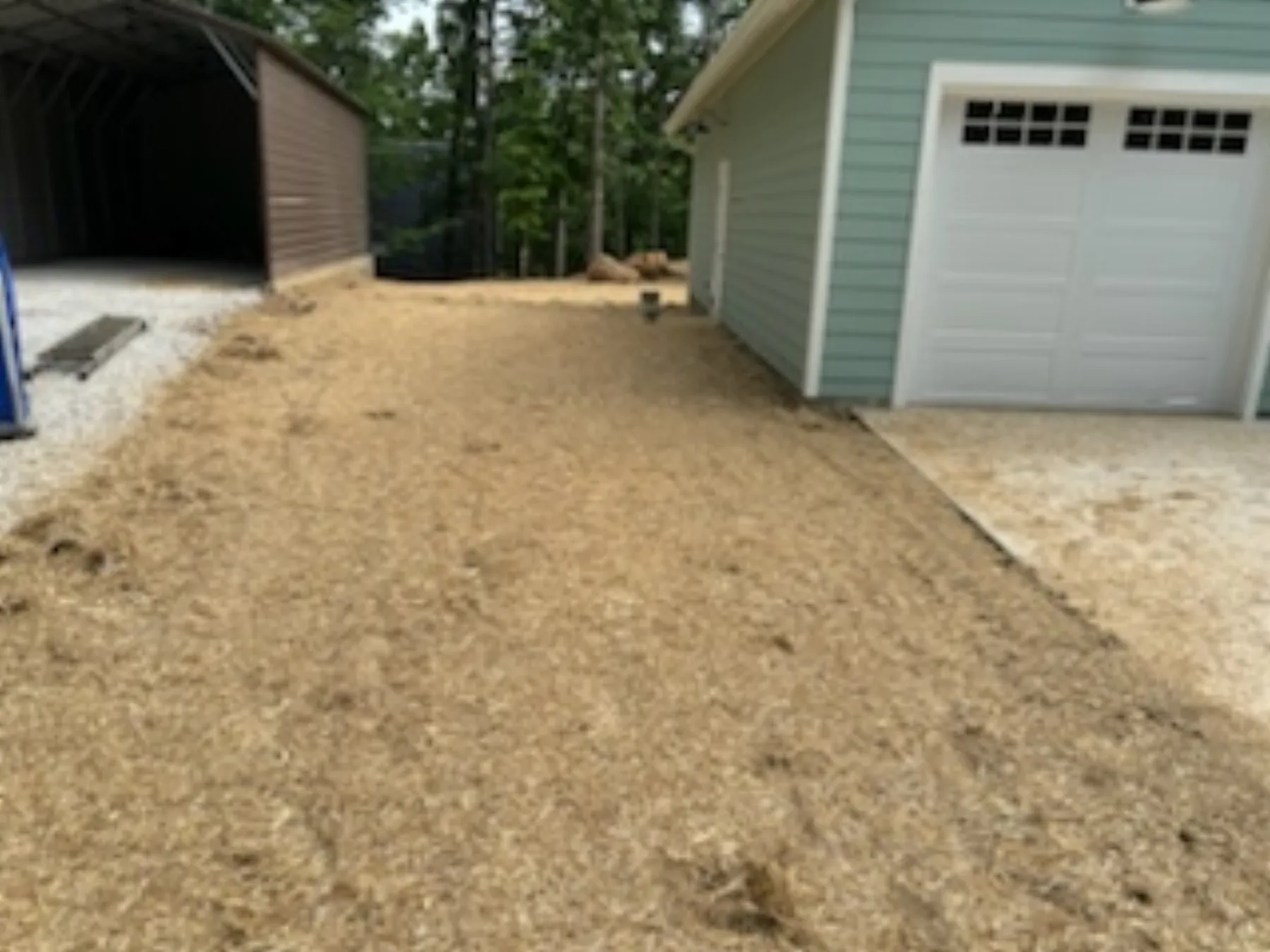
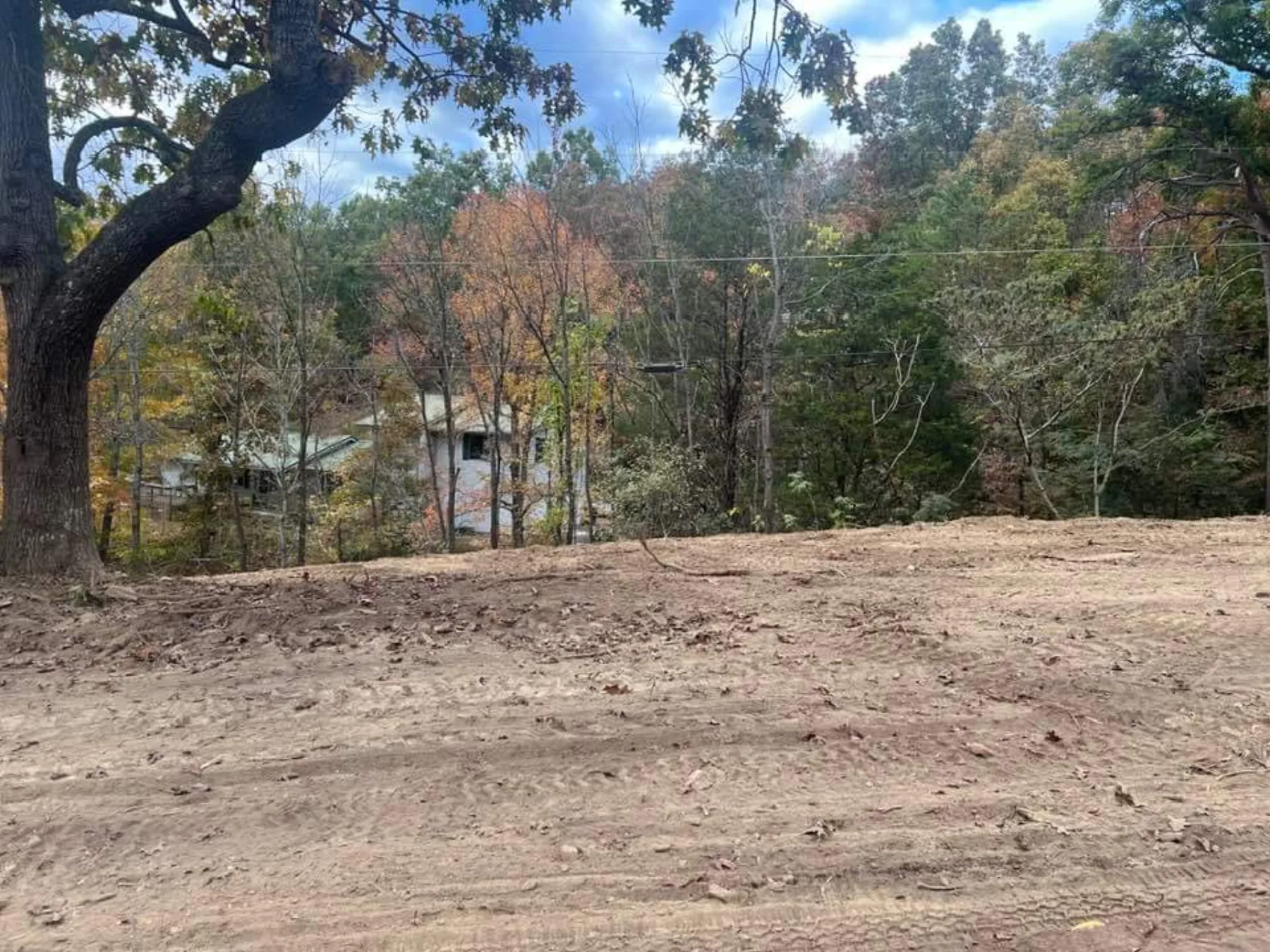
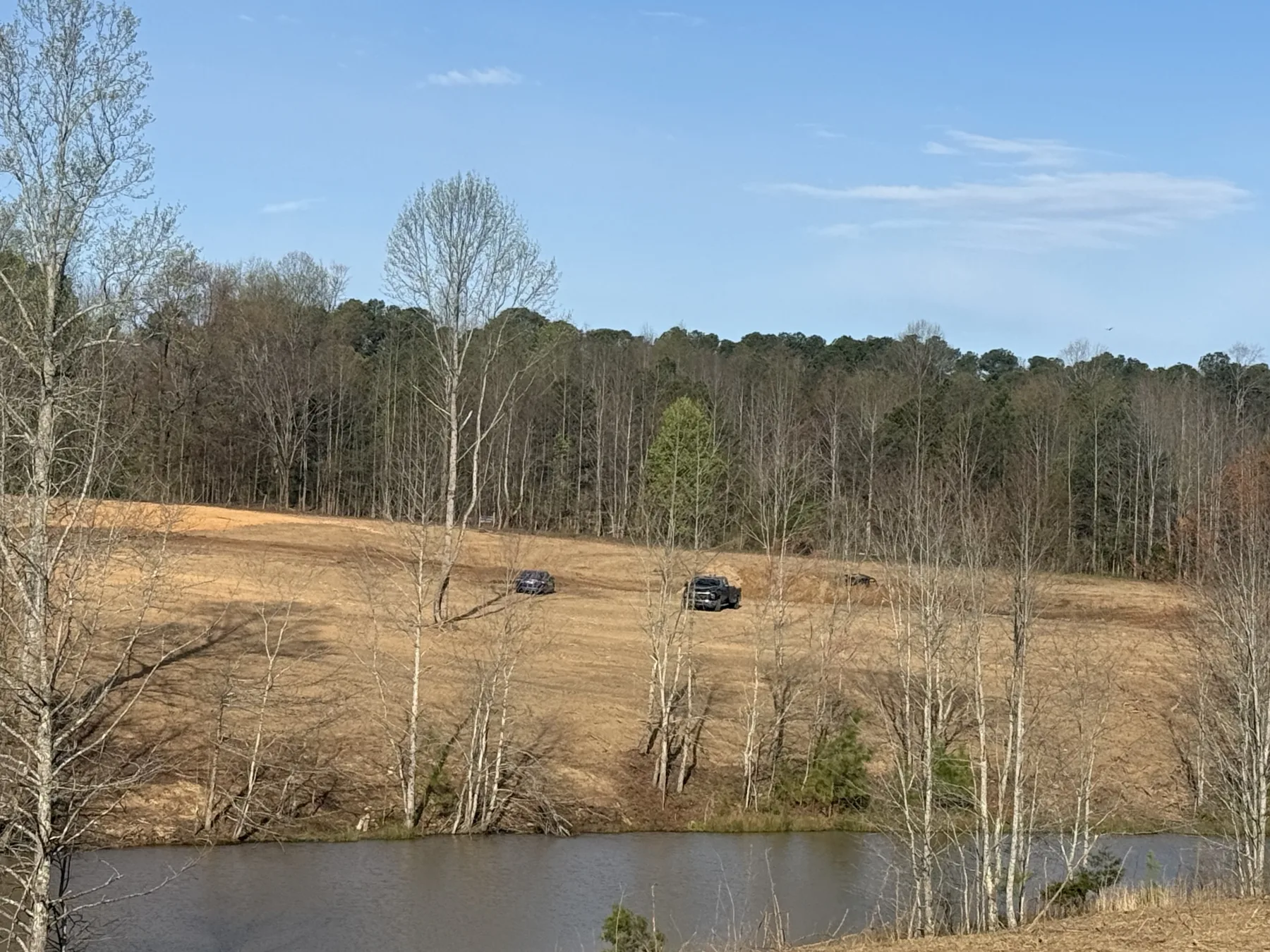
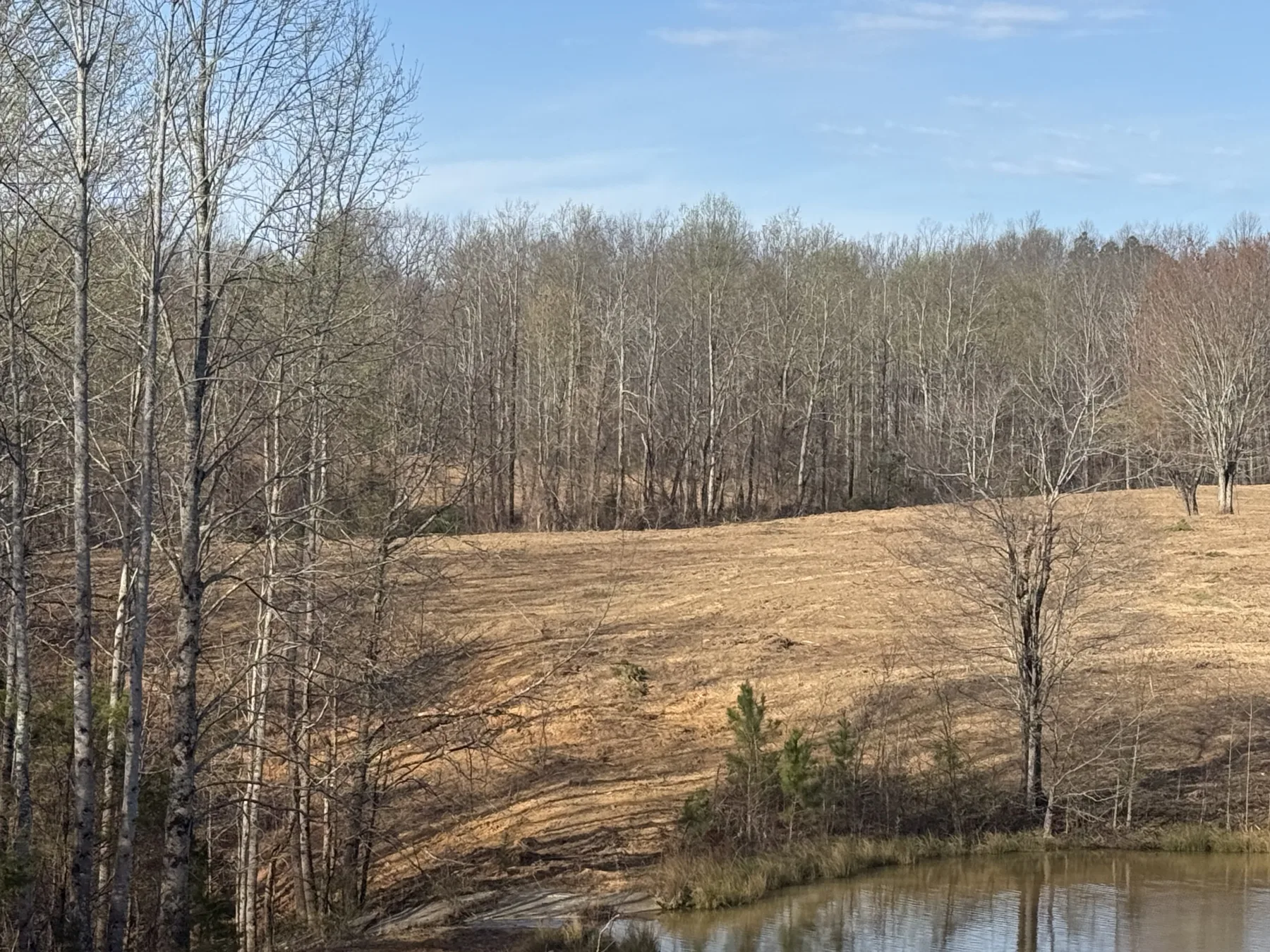
Commercial Foundation Projects

Why Choose S and S for Commercial Foundations
Earthwork to Concrete in One Contract
Excavation, dewatering, subgrade verification, formwork, reinforcement, concrete placement, waterproofing, drainage, and backfill are all in one scope. The GC gets one schedule, one accountable party, one set of inspection sign-offs covering the complete foundation package.
Plans, Specs, and Geotech Drive the Work
Foundation type, footing size, reinforcement, embed placement, and concrete mix come from the documents. Field improvisation only happens with engineer of record sign-off in writing. The job that gets built is the job that was designed.
Inspection Coordination and Hold Points
Footing, rebar, slab, and (where applicable) deep foundation inspections are scheduled and walked with the local authority and the geotechnical engineer. No concrete is placed until the prior inspection is signed off, eliminating re-work after the fact.
GC Schedule Friendly
We integrate into the project CPM, communicate scope conflicts before they become field problems, and turn over completed foundations on time. Our scope ends where the GC’s vertical work begins, with no surprises at the handoff. The framing crew does not have to wait on us to fix something.
Bad Soil Surfaced, Not Buried
Soft spots, organic deposits, or unexpected springs encountered during excavation are flagged immediately and addressed in coordination with the engineer. We do not push concrete onto questionable bearing in the hope nobody will know; we surface the issue and document the remediation.
Documented Closeout
As-built drawings, inspection records, concrete supplier tickets, manufacturer warranty paperwork on installed deep foundation components, and field reports are organized and handed over to the GC and owner at project closeout. The owner gets a complete file for facilities reference.
Commercial Foundation FAQs
Do you need a geotechnical report to bid?
A geotechnical report is essentially required for any meaningful commercial foundation bid. The report tells us bearing capacity, soil type, depth to suitable bearing, water table, and any special considerations like expansive soils or deep organic deposits. Without it, the foundation type and footing sizes are guesses. If the project does not yet have a geotech, we can recommend qualified geotechnical engineers in the region.
Can you install deep foundations as well as shallow?
Yes. Helical piers we install directly. Drilled piers and driven piles we coordinate with specialty subcontractors and execute the rest of the foundation scope around them, pier cap excavation, reinforcement, concrete, grade beams, and slab. The complete foundation package is delivered under one contract regardless of the foundation type the engineer specified.
How fast can you mobilize on a commercial foundation scope?
With drawings reviewed, geotech in hand, and permits in place, we can typically mobilize within two to four weeks depending on scope, equipment requirements, and concrete supplier availability. Larger projects with multiple pour events get scheduled in coordination with the GC and the project CPM. Call (931) 636-7713 to discuss your project timing.
What inspections happen during foundation work?
Typical inspection hold points include footing excavation (subgrade verification), rebar placement before pour, anchor bolt and embed placement, slab subbase before pour, and final foundation. Sites with deep foundations add pier installation inspections (helicals are torque-verified during installation; drilled piers have separate inspection points). All hold points are scheduled, walked, and documented in the project file.
Do you handle waterproofing on below-grade walls?
Yes. Membrane waterproofing on the exterior of below-grade walls, perforated footing drains in washed gravel, and proper backfill that does not bridge the membrane are part of our foundation scope where the design calls for below-grade walls. We coordinate with the architect on the specified waterproofing system and apply it per the manufacturer instructions.
Do you provide as-built documentation?
Yes. As-built drawings showing actual anchor bolt positions, embed locations, pier coordinates, and slab elevations are produced from field measurements taken during the work. Combined with concrete supplier tickets, inspection sign-offs, and manufacturer warranty paperwork on installed components, the closeout package is a complete record of the foundation as it was built.
Have a Commercial Foundation Bid
From spread footings and slab-on-grade to mat foundations and deep pier systems, S and S Excavation installs commercial foundations across Middle Tennessee. Earthwork to concrete in one contract. Engineer-driven. Inspection-documented.