Mass Grading
in Middle Tennessee
GPS-guided mass grading for large industrial and commercial sites. Cut-to-fill operations, proof rolling, and engineered sub-grades to the tolerance civil engineers require.
Request a Grading QuotePrecision at Scale
Mass grading is the discipline of shaping large land areas to engineered elevations with precision that standard excavation does not require. It is the work that turns a cleared, rough-graded site into the finished sub-grade that foundations, slabs, and pavements rest on. On an industrial site, mass grading sets the building pad, the truck court, the parking fields, and the stormwater drainage shape — all to tolerances measured in tenths of a foot.
S and S Excavation and Hauling executes mass grading across Middle Tennessee with GPS-guided equipment and a crew that has run thousands of acres of industrial and commercial subgrade. We work from civil engineer plan sets, take elevation control from the project surveyor, and deliver finished grade that passes inspection the first time. This is a core piece of our industrial excavation capability and it ties directly into our heavy earthwork and site prep services.
The difference between good mass grading and bad mass grading is invisible until something goes wrong. A building pad that misses finished elevation by three inches forces the concrete contractor to pour thicker slabs or shim forms. A truck court that misses drainage slope by a quarter percent ponds water for years. We use GPS-guided dozers and rovers, verify grade against surveyed control points, and document final elevations before handover. The first trade onto the site after us should never have to rework what we delivered.
Mass Grading Applications
Industrial Building Pads
Warehouse, manufacturing, and distribution building pads graded to finished elevation with flatness tolerances that allow slab-on-grade construction to proceed without rework. Pad size ranges from 20,000 square feet up to 500,000+ square feet for large distribution centers.
Cut-to-Fill Balancing
On balanced sites we move material from high zones into low zones with the shortest possible haul distances. GPS models guide the cut and fill volume so the operator sees real-time elevation feedback without waiting on stake markers or laser references.
Truck Courts and Parking Fields
Industrial truck courts require specific cross-slopes for drainage, tight elevation control at dock heights, and flat pavement areas for trailer staging. We grade these zones with the precision required for the asphalt or concrete pavement that follows.
Stormwater Drainage Shaping
Detention basin floors, swale inverts, rip-rap aprons, and emergency spillways all need precise shaping to function at design flow. We build stormwater features to the elevation and slope the civil plan requires and coordinate with erosion control during construction.
Proof Rolling and Density Verification
Once the pad is at grade, we proof-roll the subgrade with a loaded tandem or sheepsfoot to identify soft spots. Unsuitable material gets cut out and replaced before the geotechnical inspector arrives for final density testing.
Fine Grading to Engineer Tolerance
Final fine grading hits the tolerance specified in the civil drawings — typically plus or minus 0.1 feet on building pads and plus or minus 0.05 feet on critical dock and slab edges. We verify against surveyed elevation points before calling for inspection.
Mass Grading Workflow
Plan and Model Setup
We load the civil engineer’s 3D grading model into our GPS equipment. Surveyor control points are verified against the plan. The model drives dozer blade position in real time — no stakes, no hubs, no guessing at elevations.
Mass Cut and Fill
GPS-guided dozers execute the cut and fill sequence. Operators see live elevation feedback so grade is hit in fewer passes, fuel and time are saved, and the overall grading phase closes faster than stake-and-grade methods.
Proof Roll and Remediation
Once rough grade is close to plan, we proof-roll the subgrade under load. Soft spots, pumping zones, or organic pockets are cut out, backfilled with structural material, and recompacted. The subgrade passes proof roll before fine grading.
Fine Grade and Handover
Final fine grading hits engineered elevation tolerance. Surveyor verification shots confirm the grade. We turn over elevation certificates, proof roll reports, and photos to the GC. The site is ready for base stone, forms, or pavement.
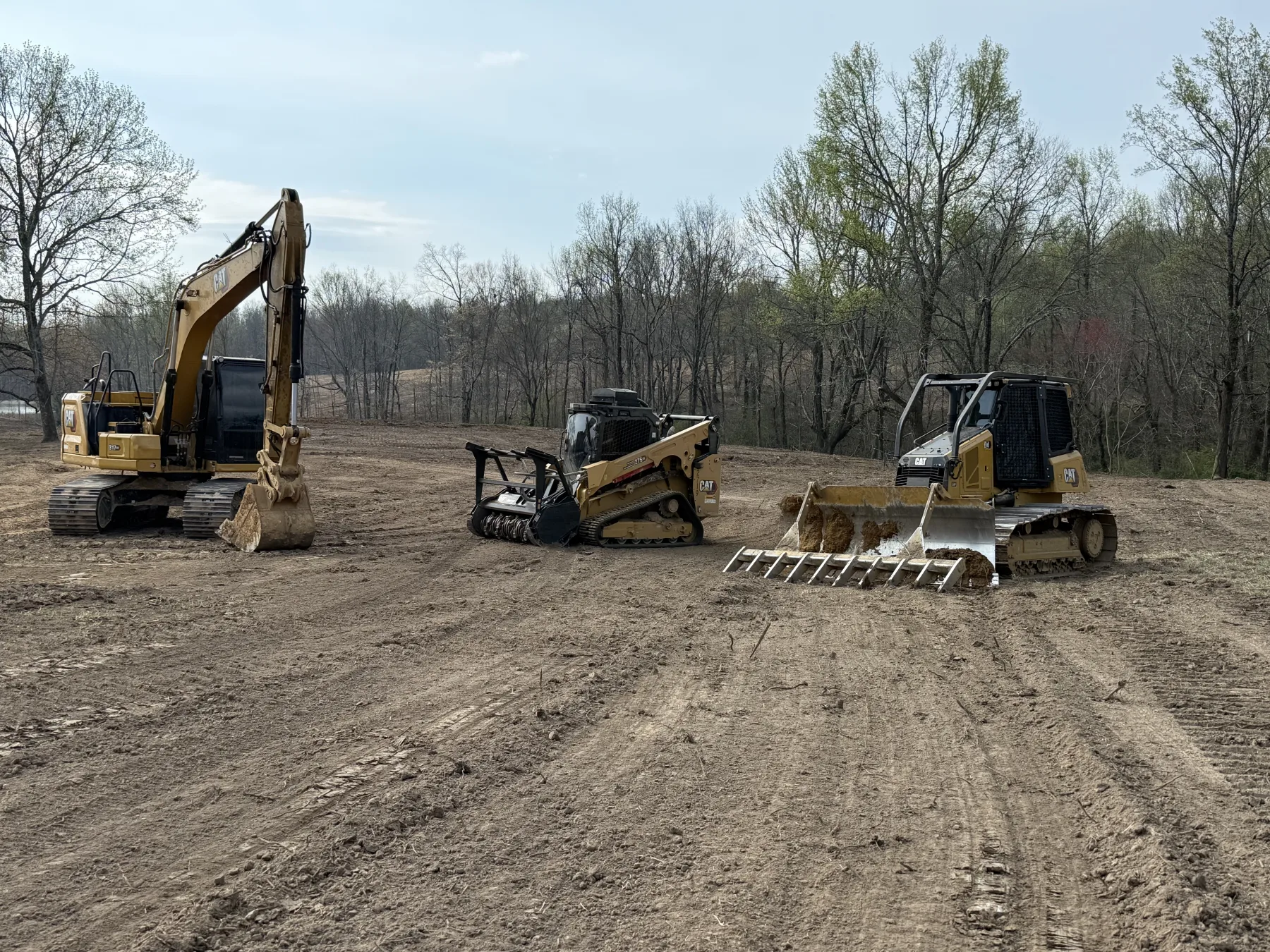
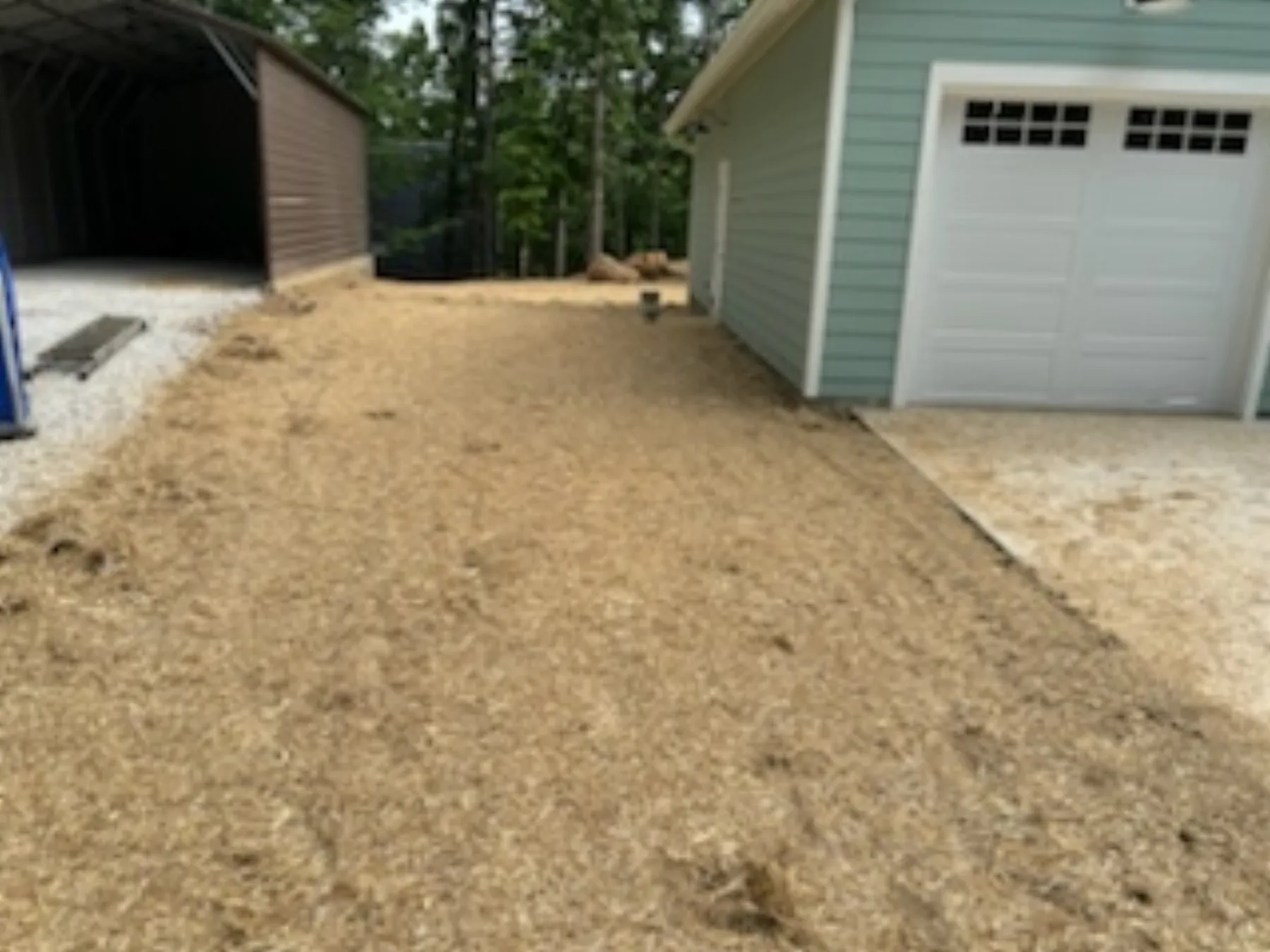
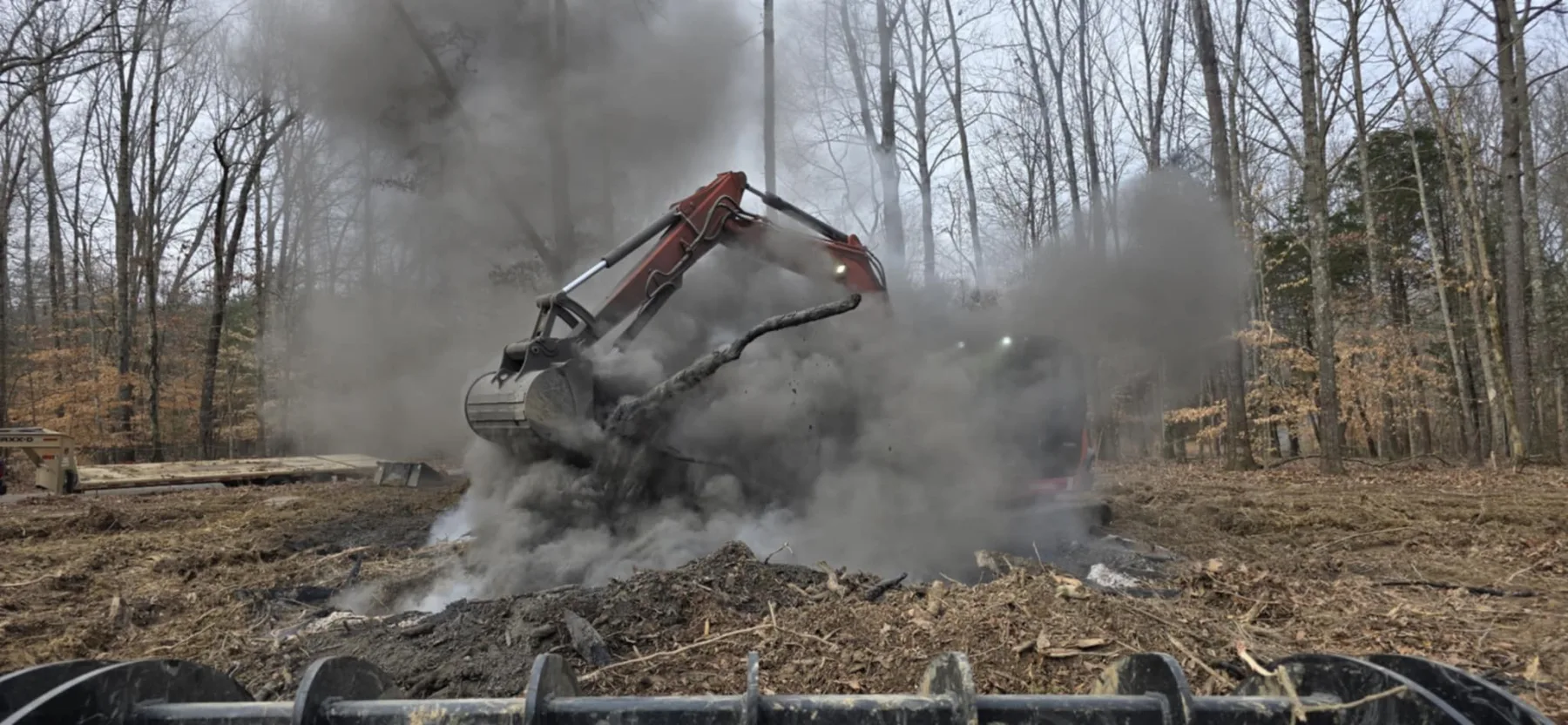
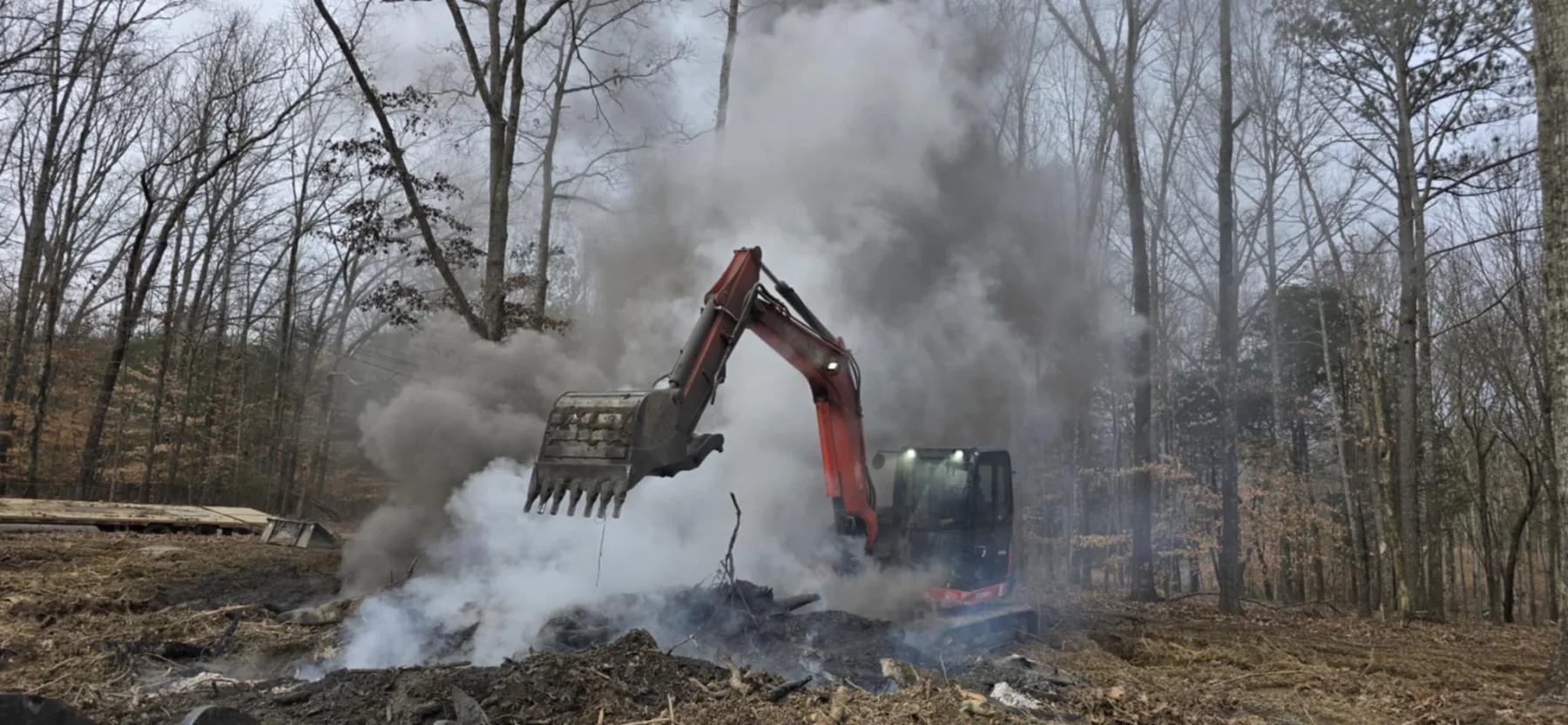
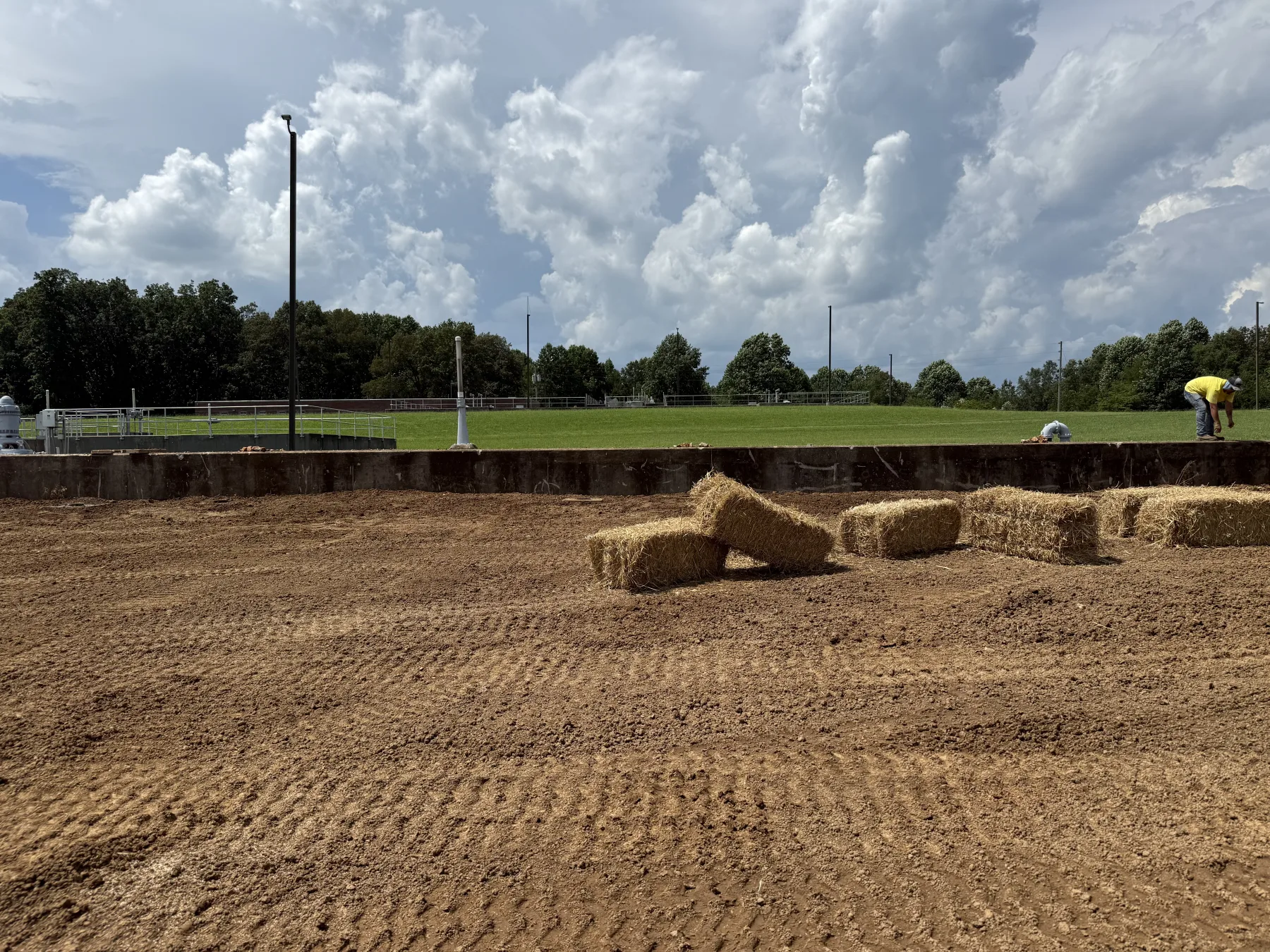
Mass Grading Photos

Why GCs Trust Our Mass Grading
GPS-Guided Accuracy
Our dozers run GPS machine control that reads the 3D design model in real time. Blade position is verified against the model continuously. Grade hits tolerance in fewer passes with less rework than traditional stake-and-grade operations.
Cut-to-Fill Optimization
We model haul routes and sequence cut-and-fill operations to minimize rehandling of material. Every yard of dirt gets moved once, not twice. That efficiency shows up in faster schedules and lower overall grading cost.
Engineer-Tolerance Finished Grade
Civil engineers specify mass grading tolerance for a reason. When grade is off, the next trade pays for it in thicker concrete, additional base stone, or rework. Our final grade hits plan tolerance so the next contractor starts clean.
Proof Roll Expertise
Catching soft spots before the geotechnical inspector arrives is how you keep a project on schedule. We run proof rolls with loaded trucks or vibratory rollers, flag problem zones, and remediate in place without waiting for a change order.
Drainage Shaping That Works
Ponded water in a truck court or parking lot is a decade-long problem. We shape drainage to plan slope, verify flow with water tests where warranted, and make sure the storm system functions at design flow from day one.
Integrated with Earthwork Scope
When we handle both the heavy earthwork and the mass grading, transitions between phases are seamless. No blame game between separate contractors, no gap in accountability, no schedule slippage from crew handoffs.
Mass Grading FAQs
What tolerance do you hit on finished grade?
Typical mass grading tolerance is plus or minus 0.1 feet on building pads and plus or minus 0.05 feet on critical edges like dock walls and slab perimeters. We match the tolerance specified in the civil drawings or the geotechnical report, whichever is tighter. Verification shots from the project surveyor are part of our handover package.
Do you use GPS machine control?
Yes. Our dozers run GPS machine control that reads the 3D grading model directly. Operators see elevation relative to plan in real time, which means fewer passes, less fuel burned, and more accurate finished grade than traditional methods. We work with models provided by the civil engineer or surveyor.
How does mass grading differ from heavy earthwork?
Heavy earthwork moves large volumes of dirt to get a site close to plan elevation. Mass grading takes that rough grade and refines it to engineered tolerance for construction. On most industrial projects the same contractor handles both scopes back-to-back — we do, which eliminates the handoff gap.
Can you coordinate with the geotechnical testing agency?
Yes. Proof rolling, compaction testing, and density verification are typically coordinated with an independent geotechnical firm hired by the GC or owner. We schedule our grading sequence to match the testing schedule and address any failed areas immediately rather than waiting for a formal change order.
Do you handle drainage shaping and detention basins?
Yes. Stormwater features including detention basins, swales, rip-rap aprons, and drainage channels are graded to the elevation and slope the civil plan requires. We coordinate with temporary erosion control during construction so the site stays in SWPPP compliance throughout the grading phase.
What regions do you serve for mass grading?
We grade industrial and commercial sites across Middle Tennessee including Coffee, Bedford, Rutherford, Franklin, Moore, and Warren counties. Project locations include Manchester, Murfreesboro, Tullahoma, and Smyrna. Call (931) 636-7713 to discuss your project.
Can mass grading be done in wet weather?
Not effectively. Wet conditions prevent proper compaction, turn clay subgrades into pumping zones, and waste production hours. We build weather contingency into the schedule, prioritize drainage work early, and pause grading during extended wet periods rather than damage the subgrade.
Mass Grading Quotes
Send us the civil drawings and the grading model. We will turn around a competitive, realistic bid for mass grading scope that ties directly into earthwork, site prep, or commercial excavation as needed. Middle Tennessee trusts S and S for precision grading.