Dirt work is the one trade on a build whose mistakes get covered up by everybody who comes after it. Once forms are set and a truck is on the way, nothing underneath is adjustable. The schedule cushion in front of the pour is not padding, it is the inspection.
There is an order to a build that everybody agrees on right up until the calendar gets tight. Then somebody wants to move the pour up a week, and the argument for it always sounds reasonable. The pad looks done. It is flat, it is stone, you can walk on it. The problem is that a pad that looks done and a pad that is done are indistinguishable by eye, and the difference between them shows up two years later in a crack that runs corner to corner. Dirt is the only trade nobody can inspect after the fact, because everything above it is in the way.
What Is Actually Under a Finished Pad
From standing on it, a pad is a flat rectangle of pale rock. Under that rock is a sequence of decisions that took most of the time.
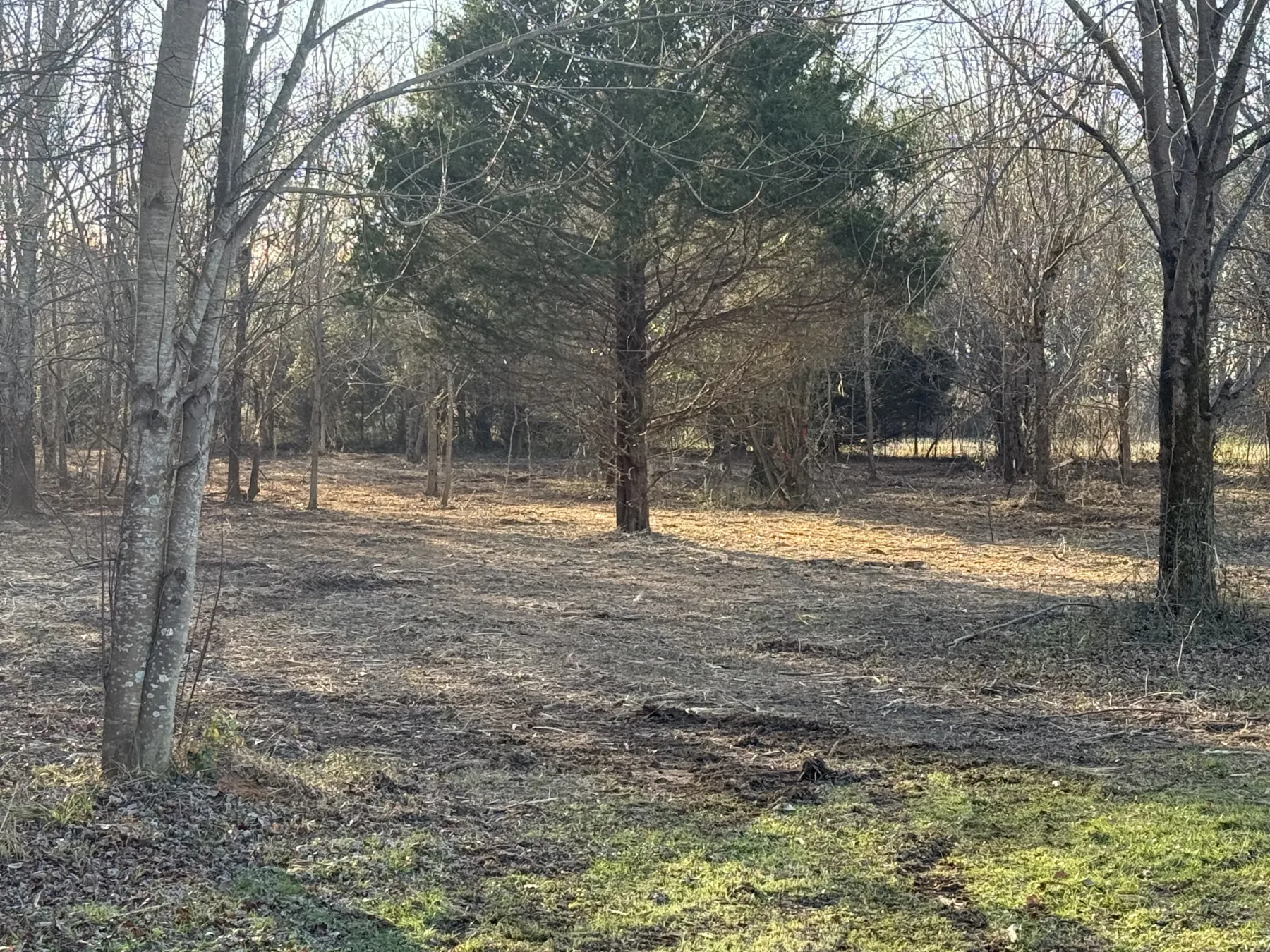
First the organic layer had to come off. Topsoil, roots, sod, anything that used to be alive gets stripped from the footprint and set aside, because organic material breaks down and loses volume and volume lost under a slab is settlement. Leaving a few inches of black dirt under a pad because it was faster is a decision that produces a problem long after anybody remembers making it.
Then the cut and the fill. The pad has to end up at the elevation the plan wants, and getting there means taking dirt off the high side and putting it on the low side. How that gets balanced determines whether material has to be hauled in or hauled off, which is usually the largest single line on a site prep job.
Then the drainage shape, so water leaves the structure rather than collecting against it. Then the stone. The stone is the last thing and the least of it, and it is also the only part most people ever see.
The Sequence and Why It Runs That Way
Access Comes First, Not Last
Before any dirt moves there has to be a route in that a loaded truck can use in bad weather, with a turn wide enough that a driver is not reversing blind down a long rural drive. This gets treated as an afterthought constantly, and it is the item most likely to stop a build cold. A finished pad that a concrete truck cannot reach is not a finished pad. It is a very expensive flat spot.
Then Clear, Strip, Cut, Fill, Pack, Shape, Stone
That order is not arbitrary and it does not compress well. Each step assumes the one before it finished. Shaping drainage into fill that has not been packed means shaping it twice.
What Goes Wrong When the Sequence Slips
The failures are consistent enough to list, and none of them look like anything on the day they happen.
Pouring on fill that has not had time or weather on it is the big one. Freshly placed material continues to settle, and a slab that sets while its base is still moving ends up with unsupported spans under it. Nothing appears wrong at the pour. The evidence arrives later as a crack in a place that had no reason to crack.
Working the ground while it is saturated is the second. Wet clay will not compact, and passing a machine over it repeatedly does nothing except smear it. A crew under schedule pressure will keep making passes because passes feel like progress. The pad ends up looking finished and having no strength in it.
Skipping the strip is the third, and it comes from wanting to save a day.
Setting the pad elevation before the rock question got settled is the fourth. On Highland Rim ground, discovering stone after the corners are staked converts a cheap design change into an expensive removal, because by then nothing is allowed to move.
The Cushion Is the Point
The most useful thing anybody can put in a build schedule between the pad and the pour is a few days of nothing, and it is the first thing that gets cut when the calendar slips. It should be the last.
Those days are not idle time. They are the only test the work gets. A finished pad that sits through a rain and comes out of it holding shape, shedding water the way it was built to, with no soft spot showing where a truck sat, has proven something no amount of looking at it on the day could prove. A pad that does not hold up is telling you something extremely valuable, at the only moment when fixing it is still cheap. Bare dirt is easy to correct. Bare dirt under a slab is not correctable at all.
The cost asymmetry here is what makes the argument. Waiting three days costs three days. Pouring early and being wrong costs a foundation. Those two are not close enough to trade off against each other, and yet the trade gets made regularly because the risk is invisible and the delay is not.
Running It as One Scope
A lot of the sequence trouble on rural builds comes from the work being split across outfits who each show up for their piece. The clearing contractor finishes and leaves. The dirt contractor arrives and finds the material stacked where the pad goes. Nobody is wrong exactly, and the days pile up anyway in the gaps between them.
This is a veteran-owned outfit, ten years at it, and the owner runs the machine on the jobs he prices. On site prep that matters more than on almost anything else, because the work is a hundred small judgment calls made from the seat. Whether the clay is ready. Whether that lift needs another pass. Whether the pad ought to come up a foot to sit on top of the rock instead of fighting it. Those calls get made better by somebody who walked the ground and priced the job himself.
If the property needs opening before any of this starts, land clearing around Hillsboro covers that half. If something has to come down where the new structure is going, see demolition work in this area. Bring us the spot you have in mind and you will get a real price from the owner once we have both stood on it.
What Builders and Owners Ask
How far ahead of the pour should the pad be done?
Far enough that it has taken a rain and held its shape. There is no single number because it depends on how much fill went in and what the weather does, but the principle is fixed: the pad should have been tested by something before a truck backs up to it. That cushion is the cheapest quality control on the entire project.
Can the pad be built during a wet stretch if the schedule demands it?
Some of it, and not the part that matters. Saturated clay does not compact no matter how many passes go over it, so placing and packing fill in those conditions produces something that looks like a pad and does not behave like one. We would rather tell you to wait than hand you work that fails quietly.
Why is the driveway part of the site prep conversation?
Because every load of material on the job arrives over it, including the concrete. A drive that softens under weight in wet weather stops the build regardless of how good the pad is. Access gets planned with the pad and usually gets built first, since everything after it depends on the route holding up.
Does dirt have to be hauled in for a pad?
Not if the site is planned to avoid it. The cheapest material is the material already on the property, and when the pad location is chosen well, what comes off the high side is close to what the low side needs. That balance comes from shooting elevations before the first cut, not from hoping it works out.
What if a soft spot turns up under the footprint?
It gets dealt with then, while everything is still open and cheap. That might mean digging the bad material out and replacing it with something that compacts, or it might mean adjusting where the pad sits. What it must not mean is covering it and hoping. A soft spot under a slab does not improve on its own.
Building on Ground Near Hillsboro?
Get us out to the site before the plan is locked. We will look at the slope, the way in, the drainage, and what is likely under the grass, then tell you what the prep genuinely takes. Veteran-owned, run out of Manchester.
Send a Message Call Now: (931) 636-7713